
The Last Waltz of the Newsroom: A DFW Review of “The Devil Wears Prada 2”

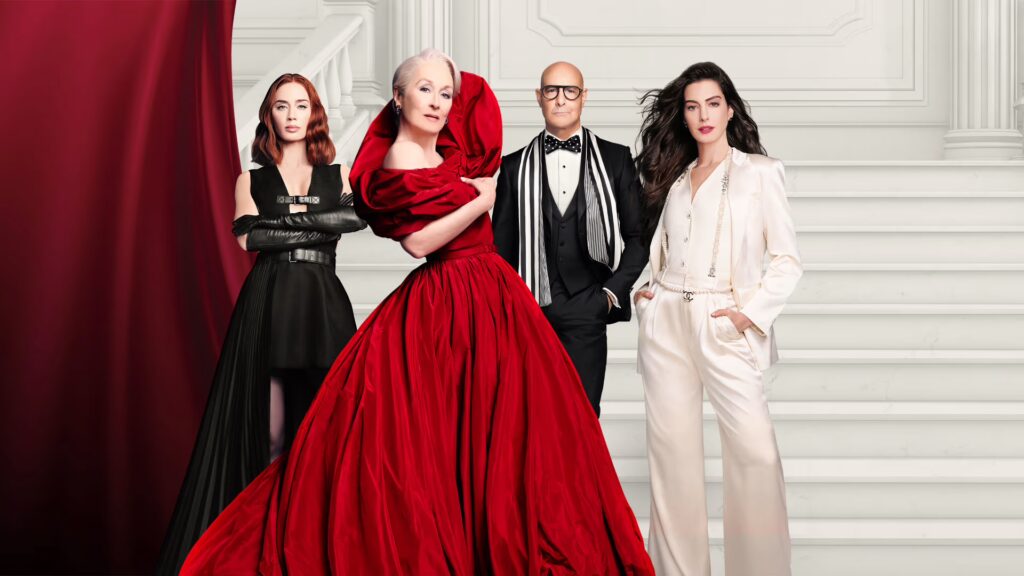
Twenty years ago, the media world operated under a singular, elegant belief: that truth and taste were born in the newsroom. In 2006, The Devil Wears Prada celebrated that era, crowning the fashion magazine as a palace and the editor as its unrivaled sovereign.
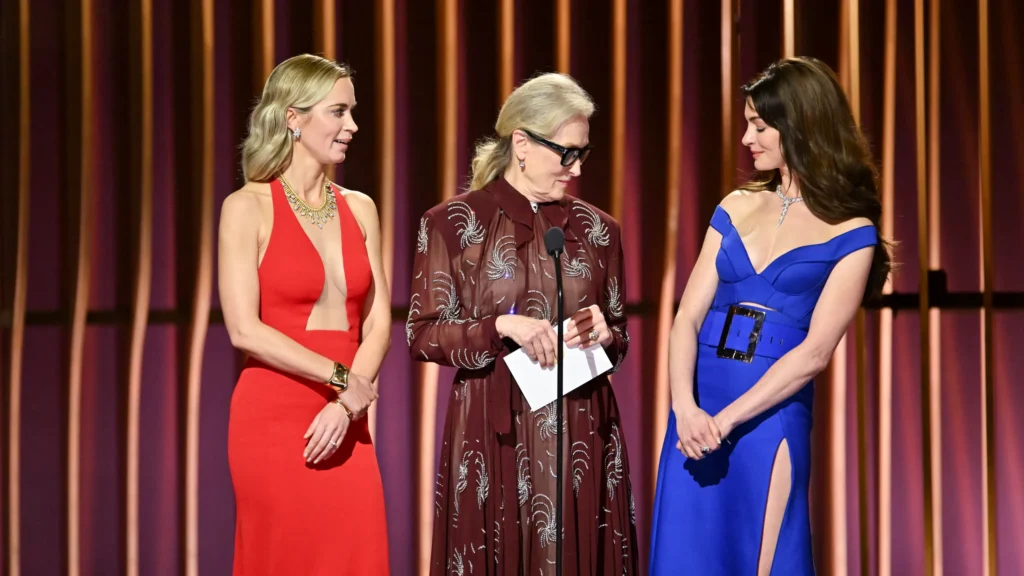
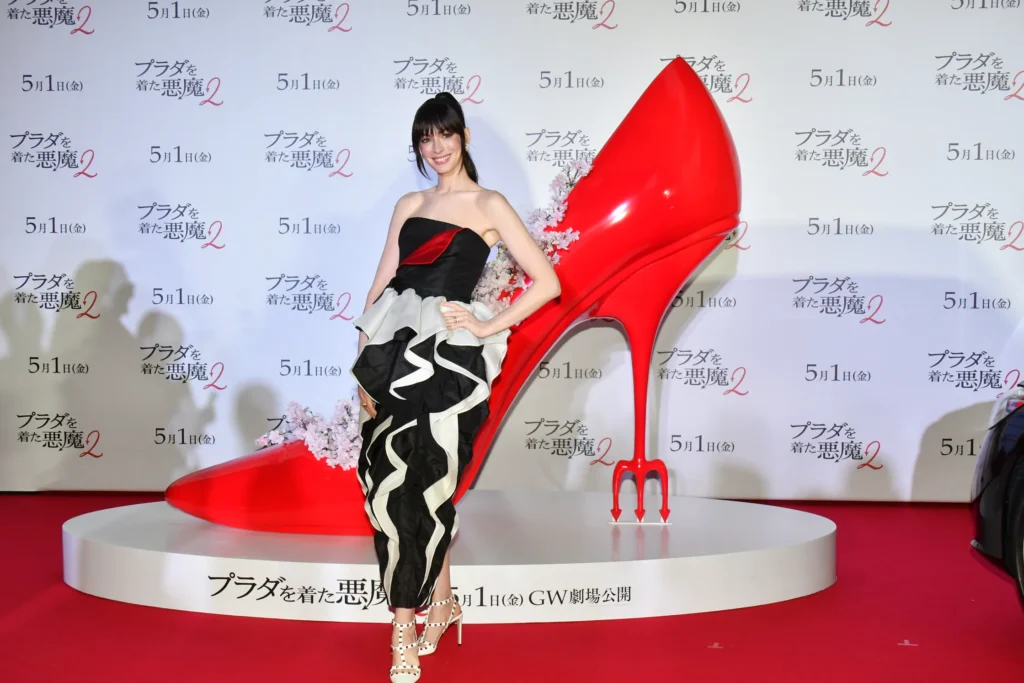
Now, in 2026, the sequel arrives not as a victory lap, but as a cinematic elegy. Directed by David Frankel and reuniting the powerhouse trio of Meryl Streep, Anne Hathaway, and Emily Blunt, The Devil Wears Prada 2 is a lush, satirical look at a world where the “palace” is under siege by the algorithm.
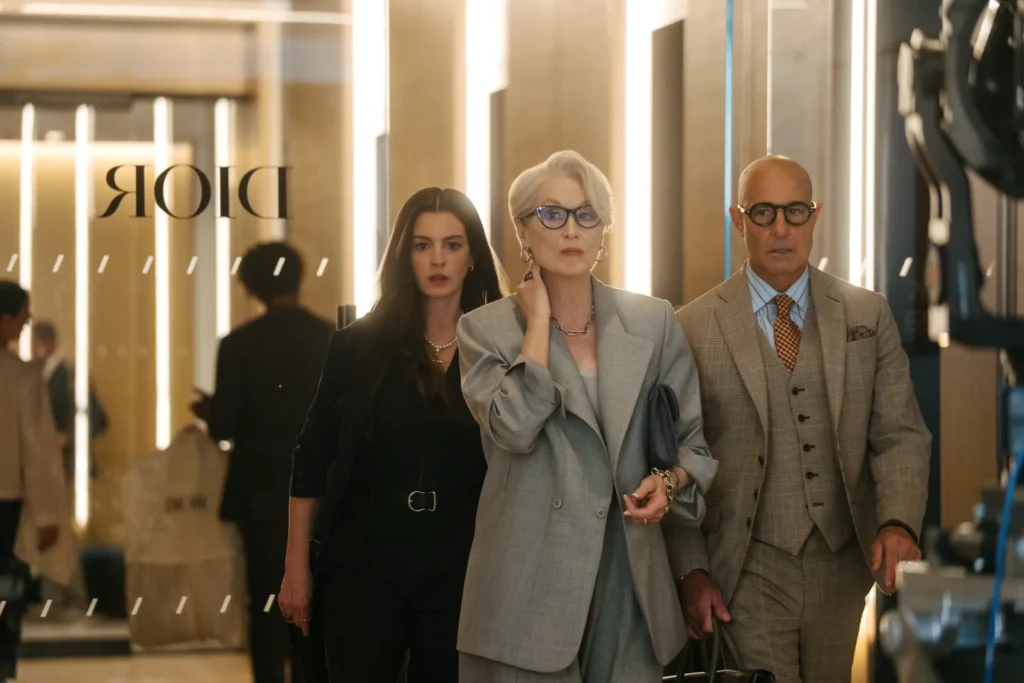
The Legend vs. The Logic Gate
Miranda Priestly remains the “Devil” we love to fear, cold, precise, and infinitely powerful. But the “Prada” she wears now feels like a shield against a crumbling empire. Runway Magazine is depicted as a majestic yacht still playing high-society music, even as the voyage loses its direction.
The film brilliantly captures the brutal transformation of our industry:
- From Print to Digital: The tactile luxury of the page replaced by the glow of the screen.
- From Curation to Algorithm: Taste-making replaced by invisible entities with no ethics or responsibility.
- From Authority to Popularity: The “viral” consistently beating the “valuable.”
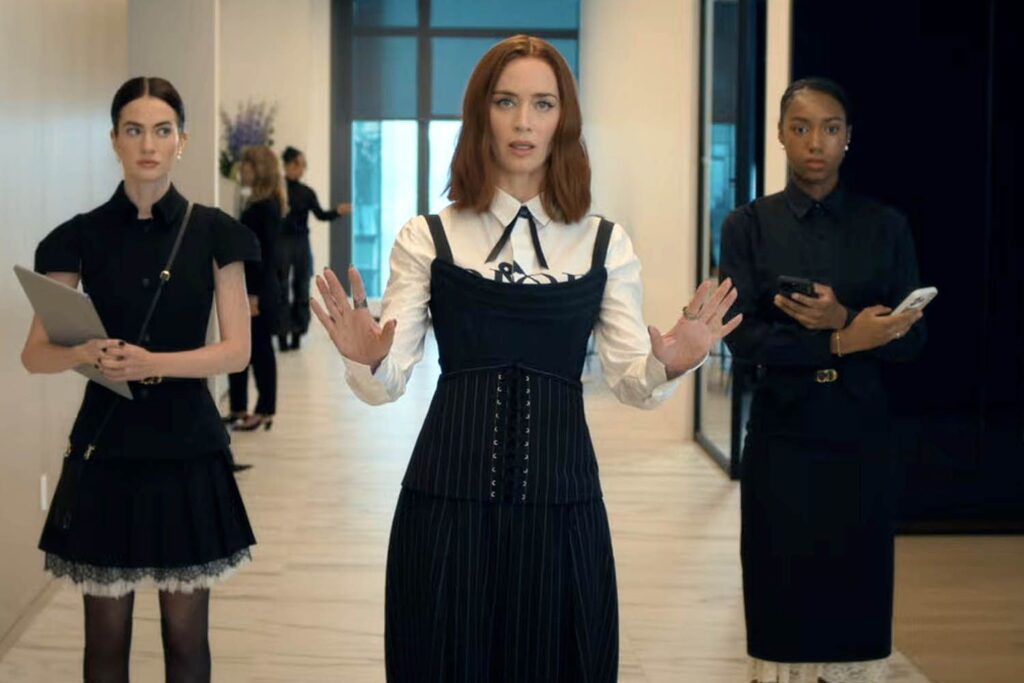
Andy Sachs: The Paradox of Progress
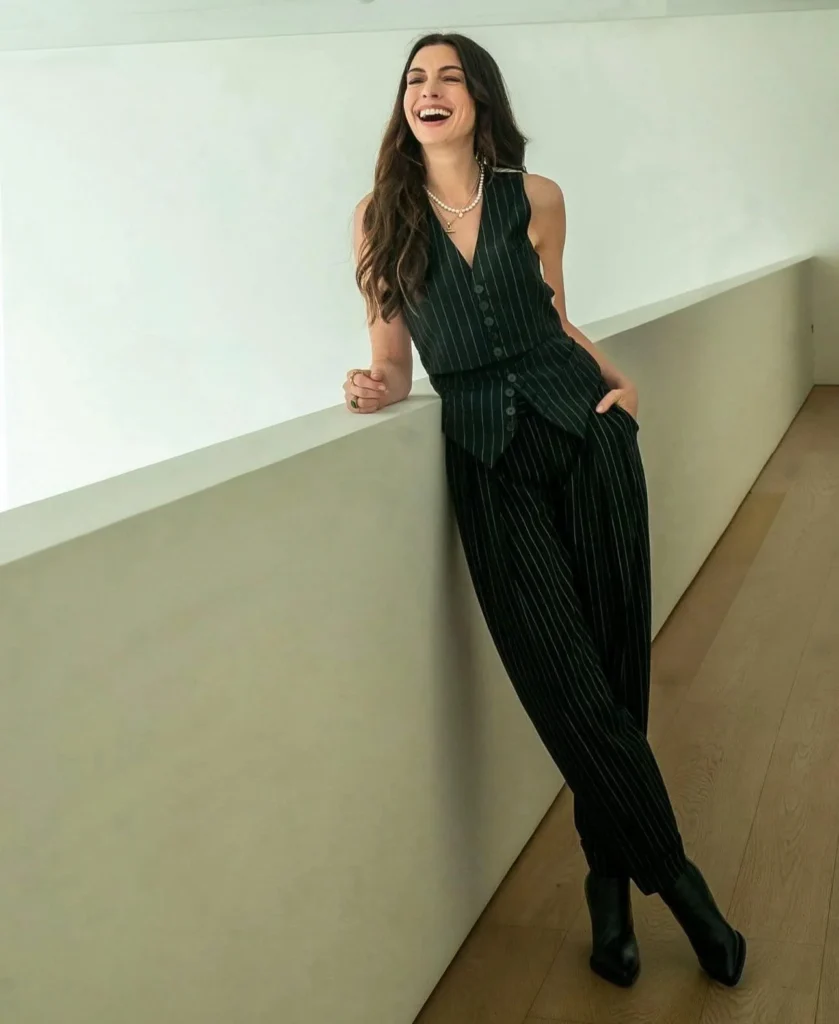
Anne Hathaway’s Andy Sachs returns as a seasoned journalist, supposedly at the peak of her career. Yet, when the digital wave collapses her current outlet, she finds herself drawn back to the halls of Runway.
For the Digital Fashion Week community, this is the film’s most poignant irony. Andy’s return to the old center of power isn’t a homecoming, it’s a survival tactic. It highlights a terrifying reality of 2026: the old foundations are collapsing, but the new ones have yet to find their soul.
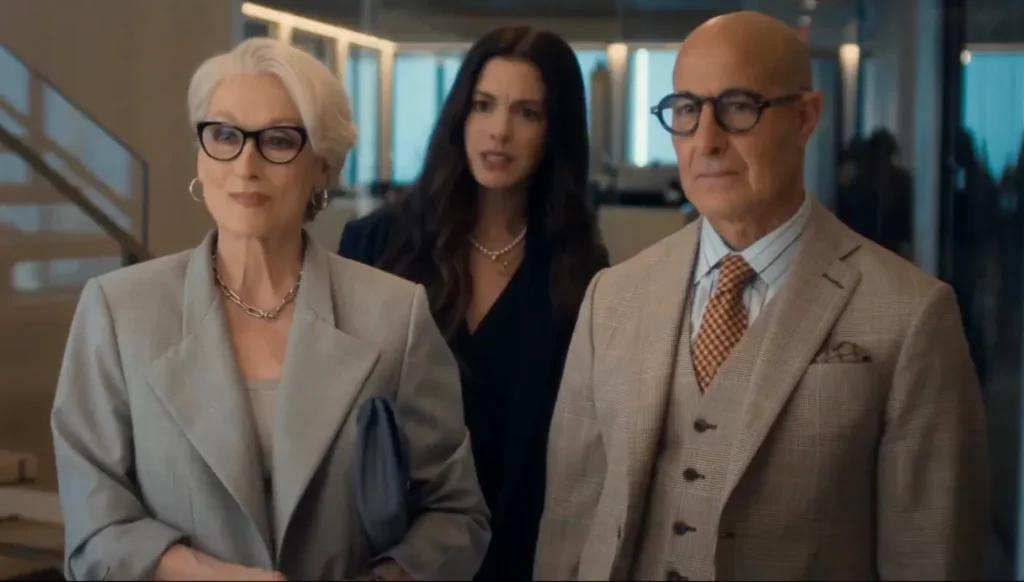
A Visual Poem with a Hollow Heart
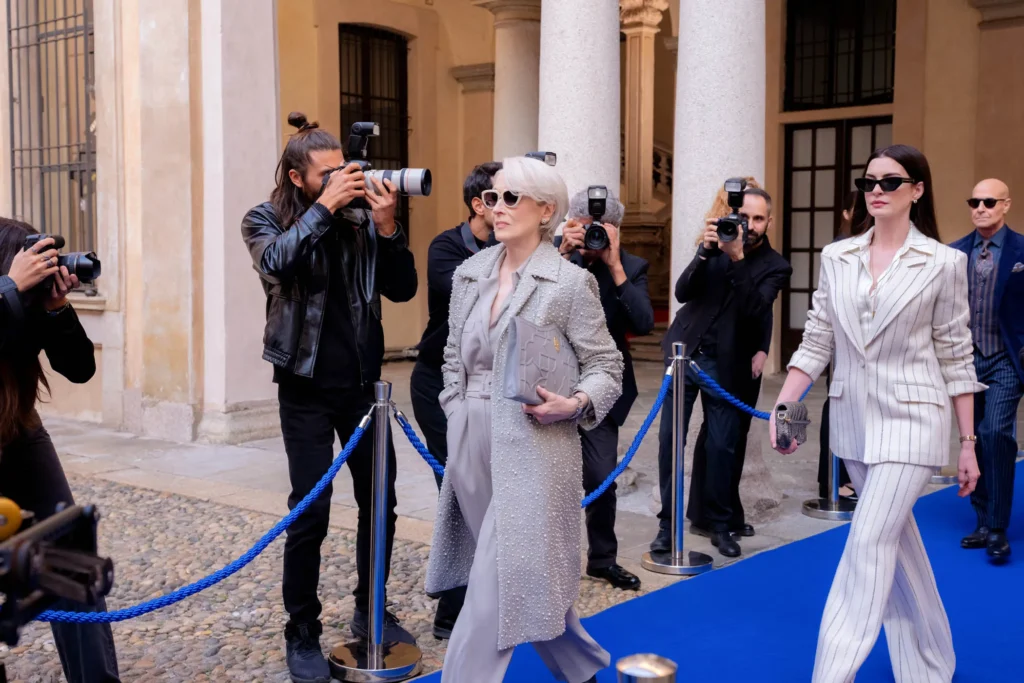
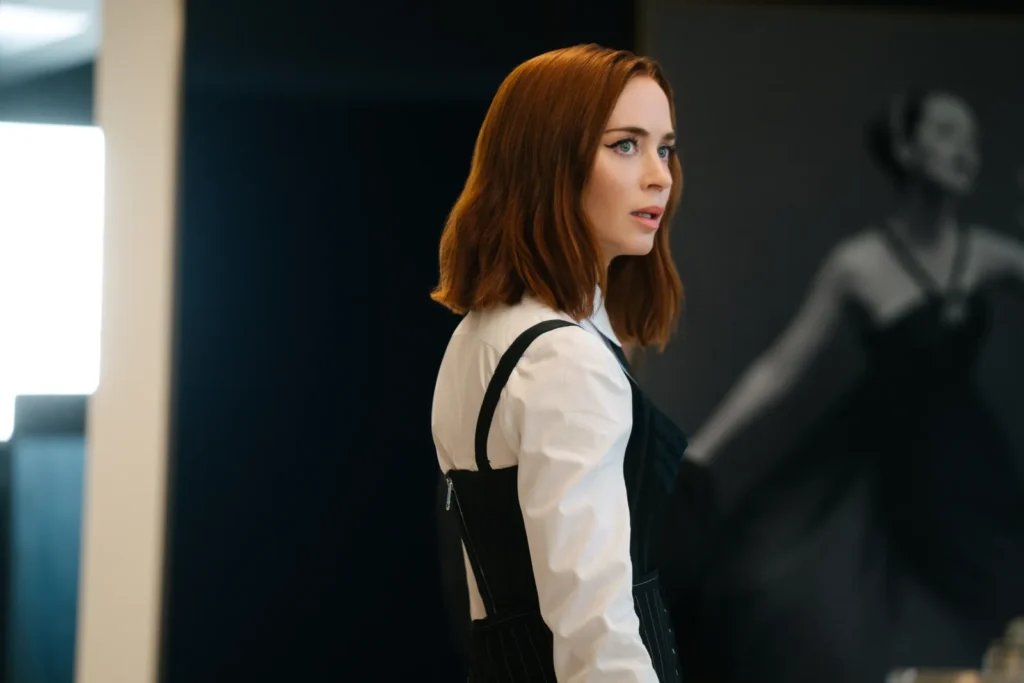
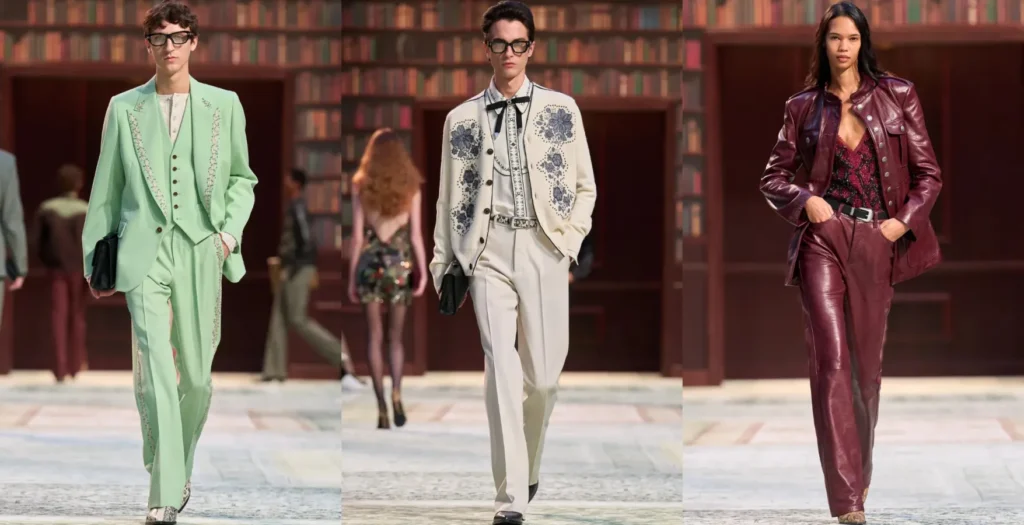
Visually, the film is a masterclass. The costumes are “neatly sewn poems,” and the transition from Manhattan to the archives of Milan is captured like moving fine art. Emily Blunt returns with even sharper strategic wit, while Stanley Tucci provides the grounded warmth that keeps the film’s cynicism from becoming overbearing.
However, beneath the high-fashion gloss, there is a lingering emptiness. The narrative often feels like a runway without a destination, exquisite to look at, but struggling to find a path forward in a world that no longer respects the “Gatekeepers.”
The DFW Verdict
The Devil Wears Prada 2 is more than a sequel; it is a eulogy for a belief system. It captures a world where the fast beats the right, and where quality is a secondary concern to engagement metrics.
As we stand at the end of this cinematic runway, we aren’t just watching a fashion show; we are watching history walk away. It is a beautiful, expensive nostalgia, framed perfectly, admired deeply, and yet, slowly being left behind by the very world it seeks to influence.
Is Miranda Priestly still relevant in the age of AI? Let us know your thoughts on the DFW community board.
Comments, questions, feedback or collaboration? Email us at collab@digitalfashionweek.com



Responses